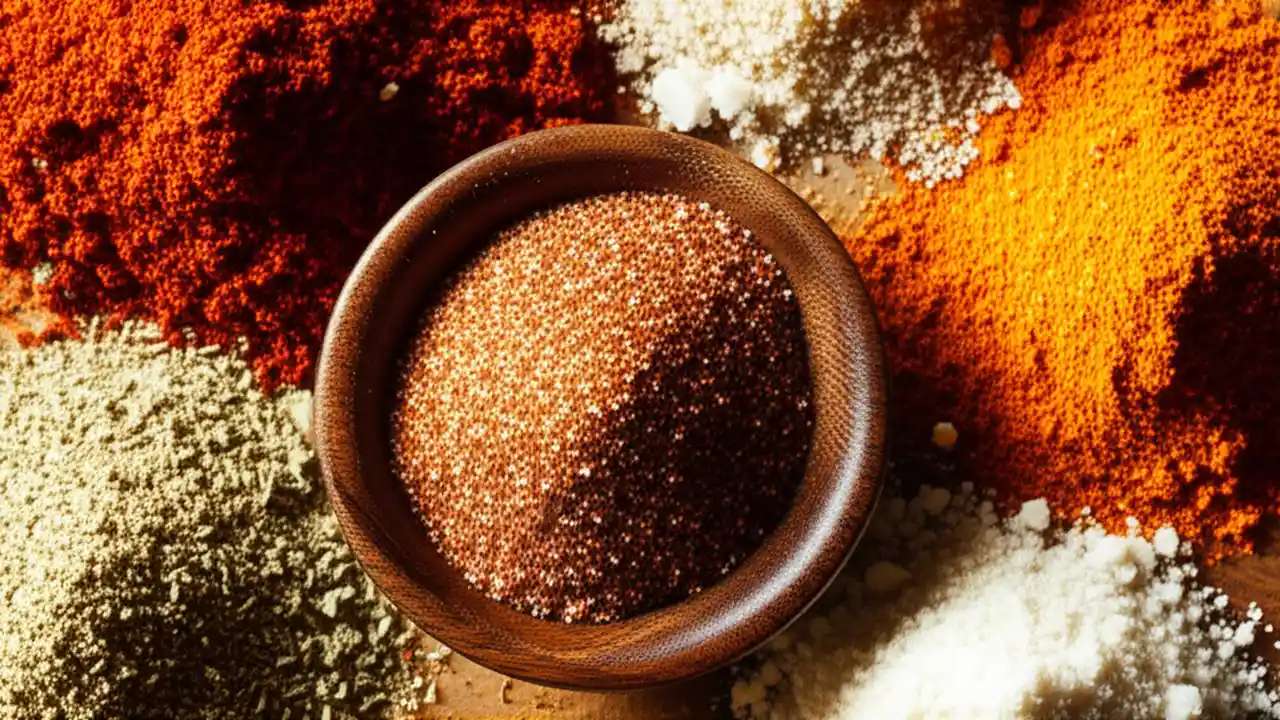
Cajun vs. Creole Seasoning: Decoding the Spice Mix Differences
Louisiana's culinary landscape is a vibrant tapestry woven with rich history, diverse cultures, and, of course, unparalleled flavor. At the heart of this gastronomic heritage lie two iconic seasoning blends: Cajun and Creole. While often used interchangeably, these spice mixes, much like the cuisines they represent, possess distinct personalities. Understanding these nuances not only deepens your appreciation for Southern cooking but also empowers you to elevate your own dishes. And if you're looking for a truly impactful way to bring these flavors home, mastering a
simple Cajun spice mix recipe is an unbeatable starting point.
Many home cooks find themselves reaching for a bottle labeled "Cajun" or "Creole," assuming they're one and the same. While they share common ground, their subtle differences can significantly alter the character of your food. Beyond the label, there's a world of flavor, control, and savings waiting when you opt for homemade.
The Heart of Louisiana Flavor: What is Cajun Seasoning?
Cajun seasoning is the vibrant soul of Cajun cuisine, a rustic, hearty style of cooking born in the bayous and prairies of Southwestern Louisiana. This culinary tradition itself is a fascinating blend, drawing influences from Native American, West African, Caribbean, and French cooking styles, brought to the region by Acadian exiles from Canada. The seasoning reflects this rich heritage, designed to deliver a robust, earthy, and often fiery kick to dishes.
At its core, a classic Cajun spice mix is built upon a foundation of peppery heat and pungent aromatics. Typical ingredients found in most commercial and homemade blends include:
- Black Pepper: Provides a sharp, classic peppery bite.
- White Pepper: Adds a different kind of heat, often described as a cleaner, more intense spice.
- Cayenne Pepper: The primary source of the characteristic Cajun heat.
- Onion Powder & Garlic Powder: Essential for their deep, savory aromatic base.
- Paprika: Contributes earthy notes and a beautiful red hue. Traditionally, sweet paprika is used, offering an underlying sweetness rather than additional heat.
Some variations might also include a touch of salt (though this is where homemade shines!), mustard powder for a tangy edge, or cumin for added warmth. What's often notable in many store-bought Cajun blends is the absence of prominent dried herbs like oregano and thyme, which are more traditionally associated with Creole seasoning. However, when you craft your own, you have the freedom to customize, incorporating these herbs for a more complex profile if desired.
The allure of a homemade
simple Cajun spice mix recipe extends beyond just authentic flavor. It's a game-changer for cost-effectiveness and, crucially, for control. Store-bought versions, even popular brands like Tony Chachere's or Slap Ya Mama, often list salt as their primary ingredient. This can lead to overly salty dishes when you're trying to achieve a desired level of spice or flavor. By mixing your own, you dictate the salt content, the intensity of the heat, and the balance of every aromatic, ensuring a perfectly personalized blend every time. Plus, a batch stored in an airtight container in a cool, dry place can stay fresh for up to a year, ready to invigorate countless meals.
Cajun vs. Creole: Unpacking the Nuances
While both Cajun and Creole seasonings hail from Louisiana, their differences are more than just geographical; they reflect distinct culinary philosophies and historical contexts. Think of Cajun seasoning as the more rustic, fiery cousin, while Creole seasoning leans towards a more refined, often herb-forward elegance.
The primary distinction often boils down to two factors: **heat and herbs**.
- Cajun Seasoning: Generally packs a stronger punch of spicy heat. It emphasizes the bold, peppery notes from cayenne, black, and white pepper. While earthy, it’s less about complex herbal layers and more about direct, robust flavor that stands up to hearty ingredients. The spice blend often aims to be an assertive background note that complements the "holy trinity" of onion, celery, and bell pepper, which forms the aromatic base of many Cajun dishes.
- Creole Seasoning: While still flavorful and often spicy, Creole seasoning tends to place a greater emphasis on dried herbs. You'll more frequently find prominent notes of oregano, thyme, and sometimes even basil, lending a richer, more aromatic depth. Creole cuisine, which developed in the cosmopolitan city of New Orleans, often incorporates ingredients like tomatoes and richer sauces, and the seasoning reflects this with a more layered, complex flavor profile that can complement a wider array of ingredients without overpowering them.
It's true that you *can* often use these seasonings interchangeably in a pinch, especially if you're adjusting for personal taste. However, understanding their inherent differences allows for more intentional cooking. If you're aiming for a fiery étouffée or a rustic jambalaya with a pronounced kick, a traditional Cajun blend is your go-to. If you're preparing a richer seafood dish or a more refined preparation where a nuanced herbal background is desired, Creole seasoning might be a better fit. The key is to taste and adjust, always letting your palate guide your culinary adventure.
Crafting Your Own Simple Cajun Spice Mix Recipe
The true magic of Cajun seasoning unfolds when you take control in your own kitchen. Creating your own
simple Cajun spice mix recipe isn't just about saving money; it's about customizing the flavor profile to perfectly match your preferences and health needs, especially concerning salt content.
Here's a breakdown of the essential components and why they matter in your homemade blend:
- Paprika (2 parts): Use sweet paprika for its grounding earthiness and vibrant color. Avoid hot paprika unless you want to significantly increase the heat. Smoked paprika can be an interesting (though non-traditional) twist if you enjoy a mellower, smoky flavor.
- Garlic Powder (1.5 parts): A non-negotiable for that savory depth.
- Onion Powder (1.5 parts): Complements the garlic, adding another layer of pungent aroma.
- Cayenne Pepper (1 part): This is your primary heat source. Adjust up or down based on your desired spiciness. For those who crave an extra inferno, a pinch of crushed red pepper flakes can be added.
- Dried Oregano (1 part): While often associated with Creole, oregano adds a lovely herbaceous note that many find balances the heat in a homemade Cajun blend.
- Dried Thyme (1 part): Another excellent herb that contributes an earthy, slightly minty undertone.
- Black Pepper (0.5 part): Provides a classic, sharp peppery bite.
- White Pepper (0.5 part): Offers a unique, clean heat that layers beautifully with black pepper and cayenne.
- Optional: Salt (to taste): Add a small amount or omit entirely, allowing you to season dishes separately. This is the biggest advantage of homemade!
- Optional: Cumin (0.5 part): For an extra layer of warmth and earthy complexity.
**Instructions for your simple Cajun spice mix recipe:**
Simply combine all chosen ingredients in a bowl and whisk thoroughly until well blended. Transfer the mixture to an airtight container, such as a spice jar or a small mason jar. Store it in a cool, dry, dark place like your pantry or spice cabinet. Properly stored, your homemade Cajun seasoning will maintain its peak freshness and potency for up to a year, though its vibrant flavor might start to mellow after 6-8 months.
Beyond the Bottle: Maximizing Your Homemade Cajun Seasoning
With your freshly made
simple Cajun spice mix recipe in hand, the culinary possibilities are endless. This versatile blend isn't just for classic Louisiana dishes; it's a secret weapon for infusing bold flavor into everyday meals.
Consider these practical tips for making the most of your blend:
- Start Small, Taste, Adjust: When first using your homemade seasoning, especially if you've added salt, begin with a conservative amount. You can always add more, but you can't take it away!
- Amplify Flavor: For deeper flavor, consider toasting your whole spices (if you choose to grind any yourself, like cumin seeds) briefly before grinding, or blooming your spice mix in a little oil at the beginning of cooking before adding other ingredients. This releases their aromatic compounds.
- Versatile Applications: Don't limit yourself to jambalaya and gumbo. Sprinkle your Cajun seasoning on roasted vegetables, add it to marinades for chicken or fish, season homemade potato fries or popcorn, stir it into scrambled eggs, or even mix it into breading for fried foods. It's truly magic in a bottle, invigorating everything from a humble potato salad to elegant shrimp étouffée.
- Personalize Your Heat: If your initial batch isn't spicy enough, remember you can always add a pinch of extra cayenne or red pepper flakes directly to the dish you're cooking, or adjust the cayenne content in your next batch of the mix.
By understanding the lineage and composition of Cajun seasoning, and by taking the step to create your own, you're not just cooking; you're engaging with a rich culinary tradition and tailoring it perfectly to your taste.
Conclusion
The world of Cajun and Creole seasoning, while intertwined, offers distinct flavor journeys. Cajun seasoning, with its robust, peppery heat and earthy undertones, stands as a testament to rustic Louisiana cooking. Creole seasoning, conversely, often presents a more herb-forward and complex profile, reflecting the urban sophistication of New Orleans cuisine. By recognizing these differences, you gain the power to choose the perfect blend for your dish. Even better, by embracing a simple Cajun spice mix recipe, you unlock unparalleled control over salt, heat, and overall flavor, saving money and ensuring every meal is exactly to your liking. So, venture into your spice cabinet, mix up your own batch, and embark on a flavorful journey that will transform your cooking.