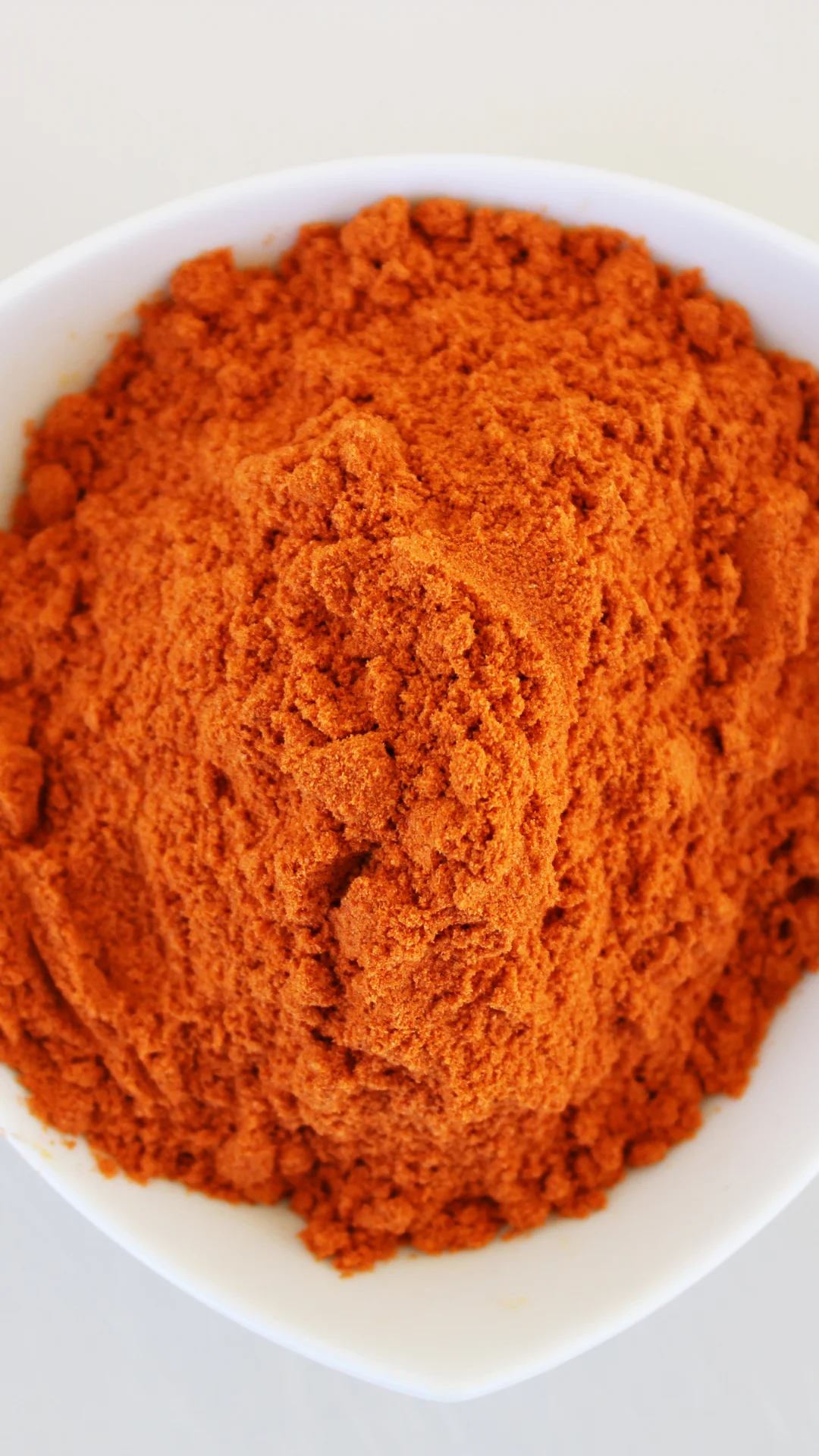
Craft Your Perfect Cajun Seasoning: Control Salt and Spice
Imagine infusing your dishes with the vibrant, earthy, and spicy soul of Louisiana, all while having complete command over every flavor note. This isn't just a culinary dream; it's the reality you unlock when you craft your own simple cajun spice mix recipe at home. Store-bought Cajun seasonings often fall short, pre-loaded with excessive salt or delivering a one-size-fits-all heat that might not suit your palate. The good news? Elevating your home cooking with authentic, personalized Cajun flavor is easier and more rewarding than you might think. By creating your own blend, you step into a world of amplified taste, surprising savings, and the ultimate control over your salt and spice levels.Why Craft Your Own Cajun Seasoning? The Salt and Spice Solution
One of the most common frustrations with commercial Cajun seasoning blends is their notorious salt content. Pick up almost any bottle from the grocery shelf, and you'll likely find salt listed as the first or second ingredient. This high sodium load means that by the time you've added enough seasoning to achieve the robust flavor Cajun cuisine is known for, your dish can become overwhelmingly salty. This not only compromises taste but can also be a concern for those managing their sodium intake. This is where the magic of a homemade simple cajun spice mix recipe truly shines. When you blend your own, *you* decide how much, if any, salt goes into the mix. Many home chefs prefer to keep their base spice blend entirely salt-free, adding salt separately during the cooking process to taste. This approach allows for far greater precision and ensures your food is perfectly seasoned, never over-salted. Beyond salt, heat control is another compelling reason to go DIY. Do you crave a fiery kick that makes your taste buds dance? Or do you prefer a milder, more aromatic warmth that complements rather than overwhelms? With a homemade blend, you can dial up or dial down the cayenne pepper and crushed red pepper flakes to achieve your ideal level of heat. This personalized touch transforms a generic seasoning into *your* signature blend, making every meal a bespoke culinary experience. Furthermore, making your own seasoning isn't just about control; it's about unparalleled flavor and surprising cost-effectiveness. Spices lose potency over time, and a freshly ground and blended mix will always taste more vibrant and complex than a bottle that's been sitting on a shelf for months. Plus, buying individual spices in bulk is often significantly cheaper in the long run than repeatedly purchasing pre-mixed, store-brand seasonings. For more insights on the benefits of homemade blends, discover how you can Master Your Own Cajun Spice Mix: Save Money & Boost Flavor.The Soul of Louisiana: Understanding Cajun Seasoning's Roots and Flavors
To truly appreciate Cajun seasoning, it helps to understand its rich cultural heritage. Hailing from the bayous and prairies of Louisiana, Cajun cuisine is a magnificent tapestry woven from diverse culinary traditions. It reflects the resilience and resourcefulness of the Acadian exiles (French Canadians deported by the British) who settled in the region, blending their French cooking styles with influences from Native American, West African, and Caribbean communities. Cajun seasoning is the heart and soul of this distinctive cuisine. It’s not merely a collection of spices but a flavor profile that evokes images of simmering gumbos, sizzling jambalayas, and succulent étouffées. Typically, a good Cajun blend delivers a powerful punch of flavors that are at once spicy, earthy, and deeply aromatic. While specific ratios vary, the overarching goal is a bold seasoning that enhances, rather than masks, the natural flavors of ingredients like shrimp, chicken, fish, and various vegetables. Often, Cajun seasoning is compared to its close cousin, Creole seasoning. While both are integral to Louisiana cooking and share many ingredients, there are nuanced differences. Generally, Cajun seasoning is known for packing a more direct, spicier heat, often featuring a higher proportion of cayenne pepper. Creole seasoning, on the other hand, tends to emphasize dried herbs more prominently, leaning into a slightly more complex, nuanced herbal profile. Both are delicious, and often interchangeable in many dishes, but understanding their subtle distinctions can help you tailor your cooking. For a deeper dive into these unique spice blends, check out our article on Cajun vs. Creole Seasoning: Decoding the Spice Mix Differences.Unveiling Your Simple Cajun Spice Mix Recipe: Essential Ingredients
The beauty of a simple cajun spice mix recipe lies in its reliance on common pantry staples. You likely have most, if not all, of these spices on hand already. The key is understanding each ingredient's contribution to the overall symphony of flavor. Here are the core components and a guide to their roles:Paprika: The Earthy Foundation
Paprika is often the most significant component by volume in a Cajun blend, providing a beautiful reddish hue and a foundational earthiness. Traditionally, sweet paprika is used, offering a mild, fruity undertone without any overt spiciness. This aligns with authentic Cajun profiles. If you're looking for a slightly different dimension, you can experiment with smoked paprika. While not strictly traditional for Cajun seasoning, it imparts a mellow, smoky flavor that can be incredibly delicious in certain applications, such as grilled chicken or roasted vegetables.
Peppers: The Spicy Core
- Cayenne Pepper: This is your primary source of heat. The amount of cayenne pepper dictates the spice level of your blend. Start with a moderate amount and increase it if you prefer a hotter seasoning. This is your main dial for heat control.
- Black Pepper: Provides a sharp, pungent kick that complements the other spices. Freshly ground black pepper will offer the most potent flavor.
- White Pepper: Often found in traditional blends, white pepper delivers a subtler, more delicate heat than black pepper, with a slightly different aroma. It adds depth without overpowering.
- Optional: Crushed Red Pepper Flakes: For those who truly love a fiery seasoning, adding a small amount of crushed red pepper flakes can introduce pockets of intense heat and a slightly different textural element.
Aromatics: The Flavor Boosters
- Garlic Powder: A cornerstone of almost all savory blends, garlic powder provides a pungent, aromatic depth that is absolutely essential to Cajun flavor.
- Onion Powder: Sweet and savory, onion powder works hand-in-hand with garlic powder to build a robust aromatic base.
Herbs: The Aromatic Uplift
- Dried Oregano: While sometimes associated more with Creole blends, oregano adds a fragrant, slightly bitter, and peppery note that is wonderfully complementary to the earthy and spicy elements of Cajun seasoning.
- Dried Thyme: Earthy, minty, and slightly lemon-like, dried thyme is another herb that brings an essential aromatic complexity, rounding out the flavor profile beautifully. Using equal parts oregano and thyme is a common and effective approach.
Optional Enhancers for Depth and Complexity
- Mustard Powder: A pinch of mustard powder can add a subtle tang and a slight warming effect, contributing to the blend's overall complexity without making it taste distinctly like mustard.
- Cumin: While not a traditional Cajun ingredient, a very small amount of ground cumin can lend an intriguing earthy and smoky note for those who enjoy that particular aroma. Use sparingly to avoid overpowering the classic Cajun flavors.
- Salt (Optional, and controlled): As discussed, many prefer to omit salt from the base mix entirely. If you wish to include it, add a very small, controlled amount, perhaps 1/4 to 1/2 teaspoon for a typical batch, remembering that you can always add more salt to your dish later.
Master Your Mix: Tips for Blending, Storage, and Usage
Once you've gathered your ingredients, the blending process is straightforward. Simply combine all your selected spices in a small bowl. For the best results and an evenly distributed flavor, whisk them thoroughly until no clumps remain and the color is consistent. For a super-fine texture, you could even briefly pulse the mixture in a clean coffee grinder or a dedicated spice grinder, though a good whisking is usually sufficient.Storing Your Homemade Cajun Seasoning
Proper storage is crucial for maintaining the potency and freshness of your homemade blend. Transfer your finished Cajun seasoning to an airtight container or a glass jar with a tight-fitting lid. Store it in a cool, dry, and dark place, such as a spice cabinet or pantry, away from direct sunlight or heat sources (like above the stove). Stored correctly, your homemade Cajun spice mix will retain its vibrant flavors for up to one year. While it won't necessarily "go bad" after that, its potency and aroma will gradually diminish.
Unleashing the Flavor: Usage Ideas
The versatility of Cajun seasoning is one of its greatest strengths. This potent blend can elevate a vast array of dishes, far beyond just traditional Louisiana fare. Here are just a few ideas to get you started:
- Proteins: Rub it generously on chicken (especially wings or thighs), shrimp, fish (catfish, snapper, cod), pork chops, or even steak before grilling, baking, or pan-frying.
- Soups & Stews: Stir a tablespoon or two into gumbos, jambalayas, étouffées, or even simpler chicken and vegetable soups for an instant flavor boost.
- Vegetables: Toss roasted potatoes, corn on the cob, bell peppers, onions, or zucchini with olive oil and Cajun seasoning for a delicious side dish.
- Starches: Sprinkle it on French fries, potato salad, mashed potatoes, or even popcorn for a zesty snack.
- Sauces & Dips: Mix it into mayonnaise, sour cream, or plain yogurt for a zesty dipping sauce for appetizers.
- Pasta: Elevate creamy pasta dishes or shrimp scampi with a sprinkle of your homemade blend.
